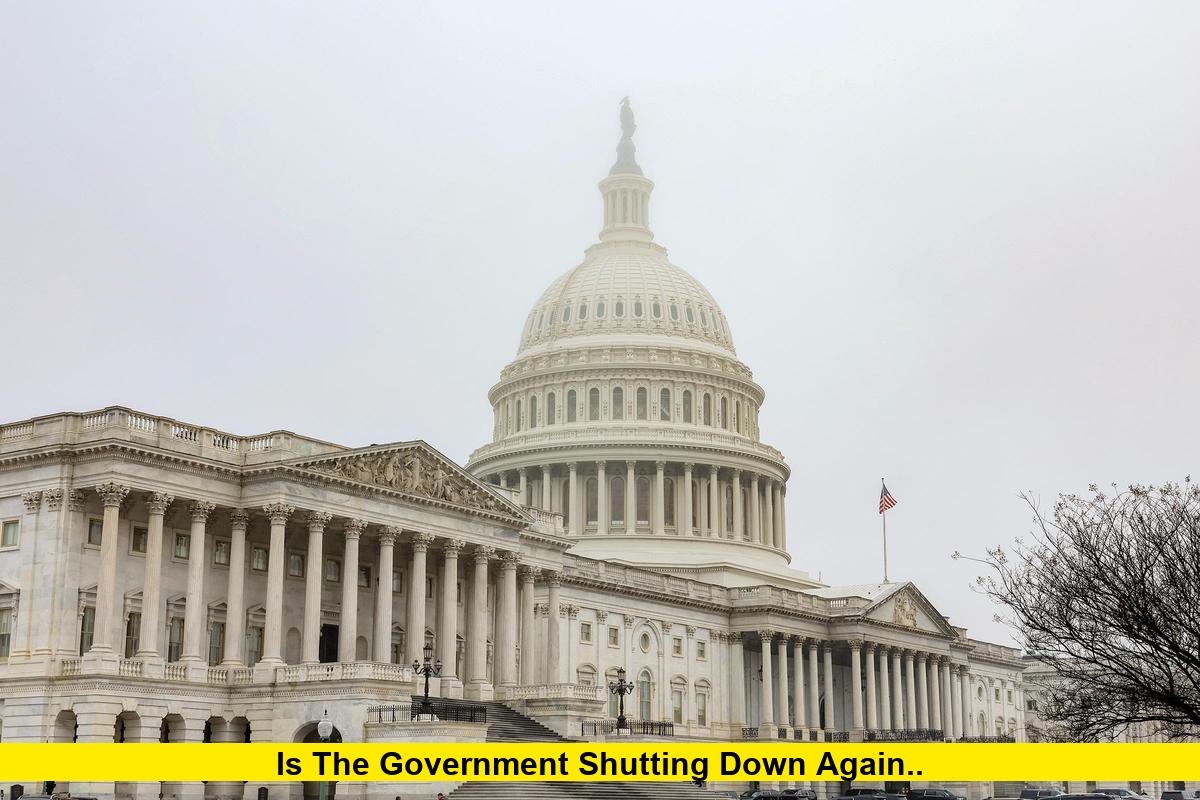
Federal employees across the nation are preparing for another potential work stoppage as Washington faces a Friday midnight deadline to keep agencies operational. With funding set to expire on January 30, 2026, millions of Americans wonder: is the government shutting down again just weeks after ending the longest closure in United States history?
The answer appears to be yes, though the scope and duration remain uncertain. Senate leaders announced a deal Thursday afternoon that would prevent most agencies from shuttering, but the arrangement still leaves a brief weekend shutdown nearly inevitable due to House scheduling constraints.
A Deal Emerges From Crisis Talks
After intense negotiations between Senate Democrats and the White House, an agreement emerged Thursday to split contentious Homeland Security funding from five other major spending packages. The compromise allows Defense, Health and Human Services, Education, Labor, Transportation, Housing and Urban Development, State, and Treasury departments to receive full funding through the end of September.
Homeland Security will operate under a short-term extension through February 13, giving lawmakers two additional weeks to hammer out disagreements over immigration enforcement protocols that triggered the current standoff.
Find out how this developing budget crisis affects your community and federal services.
The Minneapolis Shooting That Changed Everything
Unlike typical budget battles centered on spending levels or policy riders, this funding impasse stems directly from two fatal encounters between federal agents and Minneapolis residents in January.
Alex Pretti, a 37-year-old intensive care nurse, died during a confrontation with Border Patrol agents on January 24. His death followed the January shooting of Renee Good, a mother of three killed by an Immigration and Customs Enforcement officer. Both victims were American citizens.
These incidents galvanized Senate Democrats who publicly vowed to block any spending legislation that included Homeland Security appropriations without substantial operational reforms. Their demands include mandatory body cameras for enforcement agents, prohibition on mask-wearing during operations, warrant requirements for certain enforcement actions, and elimination of roving patrols.
The Democratic position created a mathematical problem for Republican leadership. With 53 Senate Republicans, passing appropriations requires at least seven Democratic votes to reach the 60-vote threshold needed to overcome procedural hurdles.
Why a Weekend Shutdown Cannot Be Avoided
Even with Thursday’s breakthrough agreement, federal operations will lapse beginning Saturday morning. The House of Representatives adjourned for a long weekend and will not reconvene until Monday, February 2.
Any legislation the Senate passes must receive House approval before reaching President Trump’s desk. Speaker Mike Johnson acknowledged the logistical impossibility of reconvening the chamber before the Friday deadline, telling reporters that members have scattered to their districts.
This means that even under the best-case scenario, affected agencies will implement shutdown procedures over the weekend. The practical impact of a Saturday-Sunday closure remains minimal since most federal offices operate Monday through Friday schedules anyway.
Congressional aides expect both chambers to move swiftly Monday morning to restore funding, potentially limiting the disruption to a single business day.
Half the Government Already Secured
Six of the twelve annual appropriations bills have already passed both chambers and received presidential signatures, insulating those agencies from the current funding fight.
Veterans Affairs continues normal operations. The Department of Agriculture and Food and Drug Administration maintain full functionality. Justice and Commerce departments, the Environmental Protection Agency, Energy programs, Interior operations including national parks, and the entire legislative branch all operate with full-year funding through September 30.
This means veterans’ benefits, food assistance programs, national parks, and law enforcement activities will proceed uninterrupted regardless of what happens with the remaining six bills.
The six pending appropriations represent approximately $1.2 trillion in federal spending, with the Pentagon accounting for $831 billion of that total. Defense operations, healthcare programs, diplomatic missions, and federal housing assistance all hang in the balance.
Federal Workforce Faces Uncertainty
Government employees have endured extraordinary instability during fiscal year 2026. The year began with a 43-day shutdown from October through mid-November that became the longest federal work stoppage in American history.
When that closure ended November 12, Congress approved only three full-year spending bills and extended the rest through January 30. That continuing resolution expires Friday at midnight.
Federal workers fall into three categories during shutdowns. Excepted employees deemed essential to safety or security continue reporting to work without pay. Non-excepted workers receive furloughs and cannot perform any job duties. A small number of exempt employees continue working with pay.
The classification system creates significant hardship. Essential workers must choose between abandoning critical posts or working without knowing when their next paycheck arrives. Furloughed employees face immediate income loss and uncertainty about back pay, though Congress has historically compensated all workers retroactively once shutdowns end.
Government contractors face even bleaker prospects. Unlike direct federal employees, contractors rarely receive back pay for time lost during shutdowns. Small businesses dependent on federal contracts must navigate stop-work orders, delayed payments, and potential cash flow crises.
Economic Ripple Effects Extend Beyond Washington
The Committee for a Responsible Federal Budget estimated the October-November shutdown cost taxpayers $4 billion in expenses that provided zero public benefit. The Congressional Budget Office projected an $11 billion reduction in real GDP from that closure.
Shutdowns create cascading disruptions throughout the broader economy. Federal contract work halts immediately. Research grants face delays. Regulatory approvals stop. Small Business Administration loan processing freezes.
During the fall shutdown, Transportation Security Administration screeners and air traffic controllers continued working without paychecks, creating morale and safety concerns within aviation infrastructure. The Internal Revenue Service scaled back operations even as tax season approached, creating processing backlogs that persisted for months.
Social Security and Medicare payments typically continue during shutdowns because they fall under mandatory spending not subject to annual appropriations. However, benefit verifications, card replacements, and new enrollments often face delays.
The Political Calculus
Senate Minority Leader Chuck Schumer publicly credited Thursday’s agreement to sustained Democratic pressure following the Minneapolis shootings. His caucus remained unified in refusing to advance legislation that bundled Homeland Security with unrelated agencies.
Independent Senator Angus King of Maine, who helped negotiate the deal ending the fall shutdown, told reporters he could not support any package including Immigration and Customs Enforcement funding under current circumstances despite his general opposition to shutdowns.
Republicans pushed for a six-week Homeland Security extension rather than the two-week measure Democrats demanded. The shorter timeframe creates intense pressure for rapid negotiations on enforcement reforms that both parties acknowledge will be contentious and complex.
President Trump posted on social media Thursday that Republicans and Democrats “have come together” to fund the vast majority of government through September. However, White House officials privately expressed less optimism about the Homeland Security negotiations than Democratic leaders, according to individuals familiar with the discussions.
What Happens Next
The Senate must vote to advance the modified spending package separating Homeland Security from the other five bills. Procedural rules require time for debate and amendment consideration even with broad agreement.
Once the Senate completes action, the House must approve the same legislative text. Any differences between House and Senate versions would require conference committee negotiations and additional votes in both chambers, extending the shutdown timeline.
Lawmakers from both parties acknowledge that even a brief funding lapse creates unnecessary costs and disruptions. The cycle of last-minute negotiations, emergency votes, and temporary patches has become standard operating procedure in Washington despite bipartisan frustration.
Some members of Congress support permanent reforms to prevent future shutdowns. The Prevent Government Shutdowns Act, introduced by Representatives Jodey Arrington and Jimmy Panetta, would create automatic continuing resolutions at current spending levels if appropriations deadlines pass without new legislation.
The proposal includes accountability measures: members of Congress would face travel restrictions, daily quorum calls, and limits on considering other legislation until appropriations work completes. Senate nominations and program authorizations would face 30-day delays.
The legislation received a 10-2 favorable vote in the Senate Homeland Security Committee in 2020 but has not become law despite multiple reintroductions.
Long-Term Budget Outlook Remains Challenging
Even if lawmakers successfully navigate this immediate crisis, another cliff looms September 30 when fiscal year 2026 ends. Unless Congress passes full-year appropriations for all twelve bills, the shutdown threat returns in full force.
The pattern of continuing resolutions and short-term extensions creates inefficiencies throughout government operations. Agencies cannot plan long-term initiatives or make multi-year commitments. Hiring freezes prevent filling critical vacancies. Equipment purchases and facility maintenance get delayed.
Continuing resolutions typically freeze spending at the prior year’s levels without accounting for inflation, policy changes, or shifting priorities. This rigid approach wastes the extensive planning and analysis agencies invest in budget submissions.
Political polarization shows no signs of diminishing. Immigration enforcement remains deeply divisive. Spending levels generate fierce partisan debates. The fundamental mechanics of passing twelve separate appropriations bills each year creates multiple opportunities for conflict and delay.
Preparing for Disruption
Americans should anticipate potential service interruptions if the shutdown extends beyond the weekend. Passport applications and renewals may face processing delays. National parks could limit visitor services even if gates remain open. Federal loan programs including those for small businesses and students would suspend new approvals.
The Internal Revenue Service began accepting 2025 tax returns on January 27. A prolonged shutdown could delay refund processing, though essential operations typically continue.
Federal employees should review personal finances and prepare for possible pay disruptions. Those with pending travel plans requiring federal services should build extra time into schedules.
The broader public faces indirect impacts through economic uncertainty, delayed government services, and the erosion of confidence in congressional functionality. Each shutdown reinforces public perception that Washington cannot perform basic governance functions.
What distinguishes this funding crisis from previous budget battles, and how will the two-week Homeland Security extension shape immigration enforcement policy debates through mid-February?