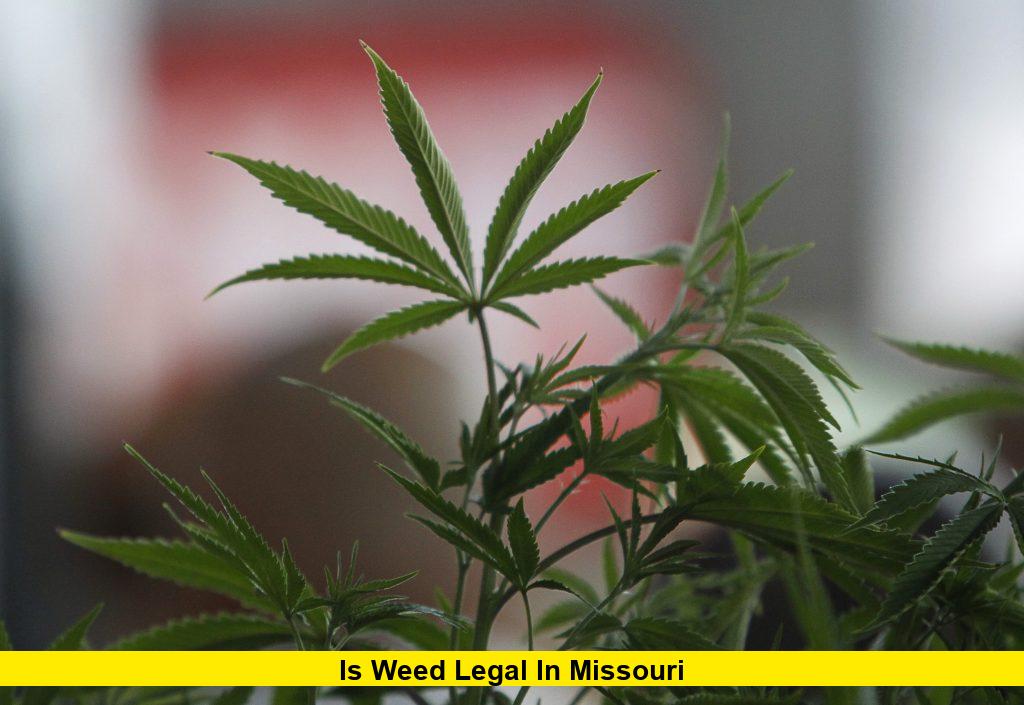
Missouri has made enormous strides in cannabis policy over the past several years. If you’ve been asking yourself is weed legal in Missouri, the answer is a clear yes — for both recreational and medical use. Adults 21 and older can legally buy, possess, and even grow marijuana under state law. But while legalization is firmly established, the rules surrounding cannabis access are shifting fast in 2026, particularly when it comes to hemp-derived products sold outside of licensed dispensaries. Here is a complete, up-to-date breakdown of everything you need to know.
📢 Already wondering if you’re following the rules? Bookmark this page and share it with someone in Missouri who needs the latest update.
How Missouri Legalized Marijuana
Missouri’s path to full cannabis legalization unfolded in two major stages. In November 2018, voters approved medical marijuana through a ballot measure that passed with a strong 66 percent of the vote. That law gave qualifying patients the right to obtain cannabis from licensed dispensaries and grow a limited number of plants at home with a physician’s approval.
Then, in November 2022, Missouri voters took the next step and approved Amendment 3 — a constitutional measure that legalized recreational marijuana for all adults 21 and older. The measure passed with 53 percent of the vote and became law in December 2022. Adult-use cannabis sales officially launched in February 2023, making Missouri the 21st state in the country to establish a fully legal recreational marijuana market.
The amendment did more than just legalize sales. It also created a framework to automatically expunge criminal records for thousands of Missourians previously convicted of nonviolent cannabis offenses, and it directed tax revenue toward veterans’ healthcare, the public defender system, substance abuse treatment, and local government expungement efforts.
What Adults Can Legally Do Right Now
Under current Missouri law, adults 21 and older have several clearly defined rights:
You may legally possess up to three ounces of dried marijuana or its equivalent in another form at any given time. You can also purchase up to three ounces in a single transaction from any licensed dispensary in the state.
Home cultivation is permitted, but it requires a valid consumer personal cultivation license issued by the state. With that license, you can grow up to six flowering plants, six nonflowering plants, and six clones at a private residence — inside an enclosed, locked facility. You cannot have more than three ounces of marijuana outside that locked space at any time.
For medical patients holding a valid state-issued card, the rules are slightly more generous. Medical cardholders can purchase up to four ounces of marijuana every 30 days and are entitled to additional protections under the law.
Edibles and other cannabis products — including vapes, tinctures, and concentrates — are legal for purchase at licensed dispensaries for both recreational and medical customers.
Where You Cannot Use Cannabis in Missouri
Legal does not mean unrestricted. Missouri law prohibits cannabis use in any public space. That means streets, sidewalks, parks, parking lots, transportation facilities, and the common areas of public or private buildings are all off-limits. Even medical patients are not permitted to consume marijuana in public under the state constitution.
Private property is generally where cannabis use is allowed, but there are important limits here as well. Landlords, homeowners associations, and condo boards may have the authority to restrict or ban marijuana use within their properties, particularly in shared buildings, depending on how their governing documents are written.
The federal classification of marijuana as a Schedule I controlled substance also creates real-world complications. Using or possessing marijuana on any federally owned property — national parks, federal buildings, military installations — remains illegal regardless of what Missouri law says. And because marijuana is still federally illegal, purchasing from a licensed dispensary could, under certain federal provisions, affect firearm ownership rights for some individuals, including veterans.
Employers in Missouri also retain the right to maintain drug-free workplace policies. A company can discipline, terminate, or refuse to hire someone for marijuana use — even if that use happened off the clock and off company property.
The 2026 Fight Over Hemp Products
While recreational marijuana sold through licensed dispensaries continues to operate without interruption, a major battle is unfolding in Missouri’s state legislature over hemp-derived THC products.
For years, products like Delta-8 THC gummies, seltzers, edibles, and vapes have been sold freely at gas stations, smoke shops, and convenience stores across Missouri. These products, derived from federally legal hemp rather than marijuana, exist in a regulatory gray zone that the Missouri House has now moved to close.
In February 2026, the Missouri House passed legislation with a 109 to 34 vote that would ban intoxicating hemp products from being sold outside of licensed marijuana dispensaries. The bill would limit hemp products to no more than 0.4 milligrams of THC per container — an extremely low threshold that would effectively remove most of these products from general retail shelves. If the Missouri Senate passes the bill and it becomes law, the ban would take effect in November 2026.
Supporters of the legislation argue it closes a loophole that has allowed unregulated, high-potency THC products to reach consumers — including minors — without the safety oversight required of licensed dispensaries. Incidents in which students were hospitalized after consuming Delta-8 edibles purchased at local stores have fueled the push for tighter regulation.
Critics Have Strong Objections
Not everyone agrees the bill is the right move. Opponents argue it could wipe out hundreds of small businesses — CBD stores, health and wellness shops, and specialty retailers — that have legally sold hemp products for years. They contend it hands a massive market advantage to the state’s licensed dispensary system, which is dominated by larger, well-capitalized operators.
Veterans’ advocacy groups have raised a specific concern: because marijuana remains federally illegal, some veterans who rely on hemp-derived products to manage conditions like PTSD or chronic pain would lose access to those products in non-dispensary settings. Purchasing from a licensed marijuana dispensary could, under federal law, create complications around firearm ownership — a significant issue for many veterans.
Some legal critics also argue that Missouri’s constitution defines marijuana in a specific way, and that only voters — not state legislators — have the authority to change those definitions or expand the scope of what falls under marijuana regulation.
The Tax Revenue Picture
Missouri’s legal cannabis market has delivered real financial results for the state. Since recreational sales launched in 2023, tax revenue from cannabis has been distributed to veterans’ healthcare programs, substance abuse treatment, and the state’s public defender fund, as outlined in Amendment 3. The state’s Division of Cannabis Regulation has continued issuing new licenses, including a growing number of microbusiness licenses designed to create equity opportunities for veterans, people from low-income communities, and individuals with prior cannabis-related convictions.
Bottom Line for Missouri Residents in 2026
If you are 21 or older and in Missouri, recreational marijuana is fully legal to purchase from licensed dispensaries. Medical patients with valid cards have access to higher purchase limits and additional protections. Home cultivation is allowed with proper licensing.
What is changing is the fate of hemp-derived THC products currently sold in general retail settings. The Missouri House has voted to move those products exclusively into the licensed dispensary system, and the Missouri Senate will determine whether that becomes law before November 2026.
The foundation of cannabis legalization in Missouri is not in question. What is in question is how broad that market will be — and who gets to participate in it.
Missouri’s cannabis laws are evolving rapidly — drop a comment below with your thoughts on the hemp ban, and keep checking back as the Senate vote draws closer.